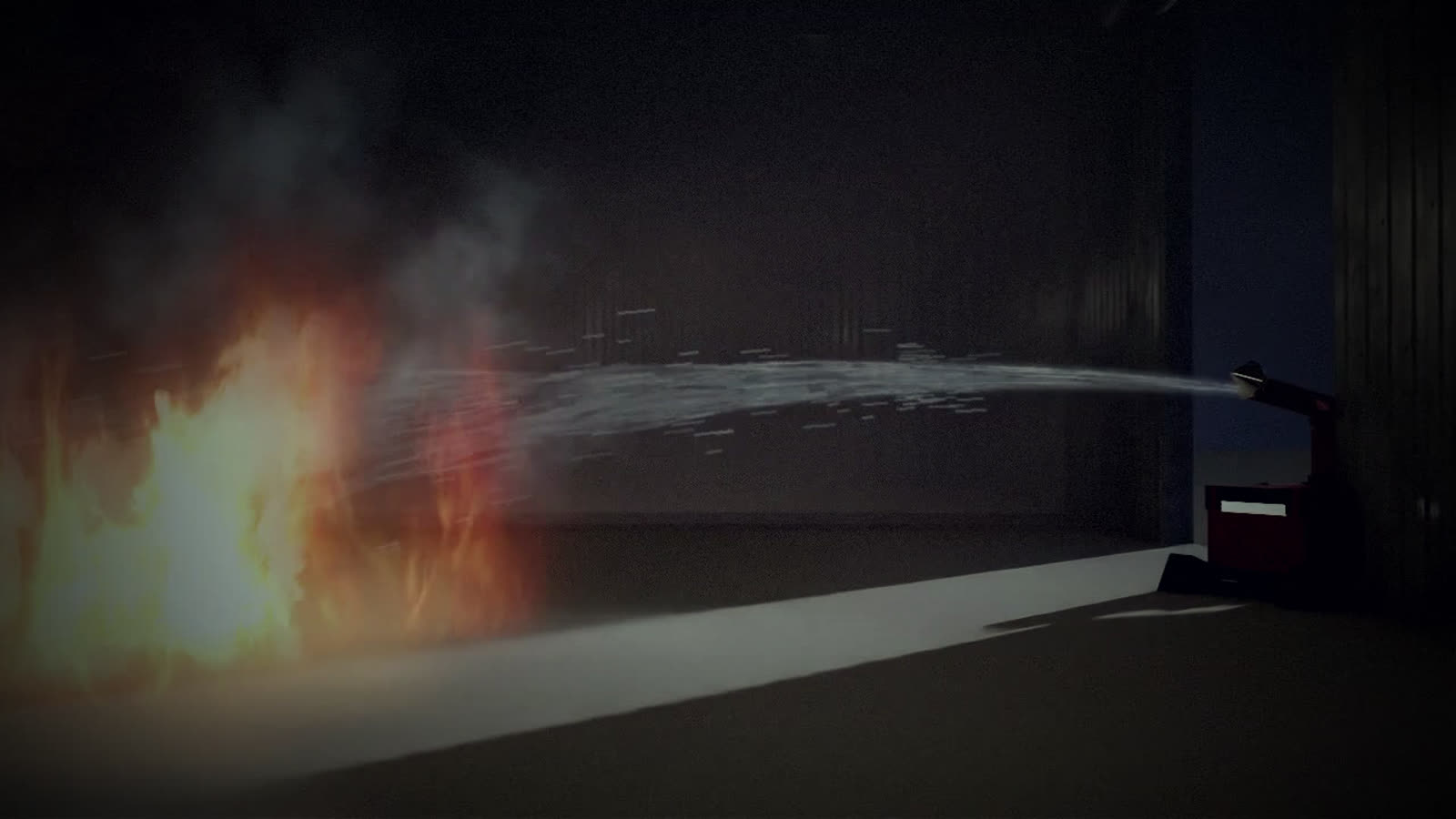
Foundation models give robots skills.
SentiaCore gives the team judgment.
Any robot can learn to walk, grip, or fly. The harder problem is a team — ground robots, legged robots, drones — deciding together what to do next, under a fire that won't wait for a status report. SentiaCore is the layer that decides.
Recreate. Reason. Rehearse. Respond.
A single cognitive loop runs underneath every mission SentiaCore commands — the same four moves, as many times a minute as the situation demands.
Recreate
Build a living picture of the scene from what the team's sensors actually confirm.
Reason
Weigh the options as one mind — every robot bids on the work in front of it.
Rehearse
Play the leading plan forward before anything moves, scored against doing nothing.
Respond
Send the winning plan into the world through whichever bodies are on site, inside a safety shield a human can override.
It acts on what it knows — not on what it assumes.
SentiaCore never lets a robot treat a guess as a fact. Every hazard, every person, every reading of fire starts as unconfirmed and only earns trust once the team's own sensors back it up, and that trust ages — a sighting from a minute ago carries less weight than one from now.
- A room nobody has looked at is marked unknown, never silently assumed safe.
- A life sign, once confirmed, is never dropped just because a recheck hasn't happened yet.
- Confidence decays with time — a stale reading never gets treated as a fresh one.
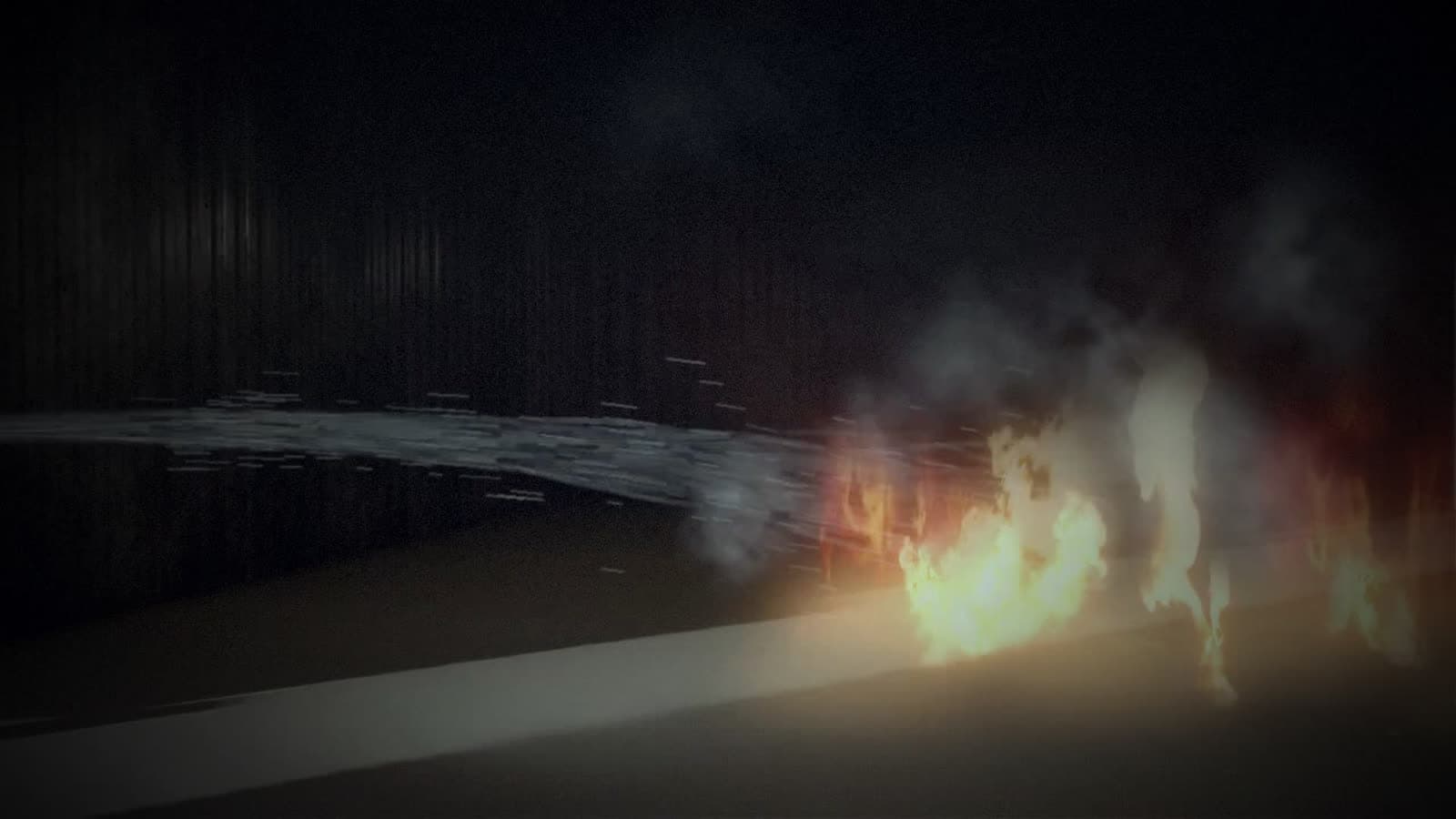
The unit of command is the team, not the robot.
Put a tank, a legged robot, and a drone on the same incident and SentiaCore treats them as one fleet with one mission. Each robot bids on the task in front of it based on what it alone can do and where it alone stands; the fleet settles into who does what without a human routing every assignment by hand.
- Works across robot bodies and skill models — any platform that can report its state and take a command.
- A robot that goes offline doesn't stall the mission; the rest of the team re-bids the open work.
- Heterogeneous by design: the tank that can reach the fire and the drone that can see over it are one decision, not two.
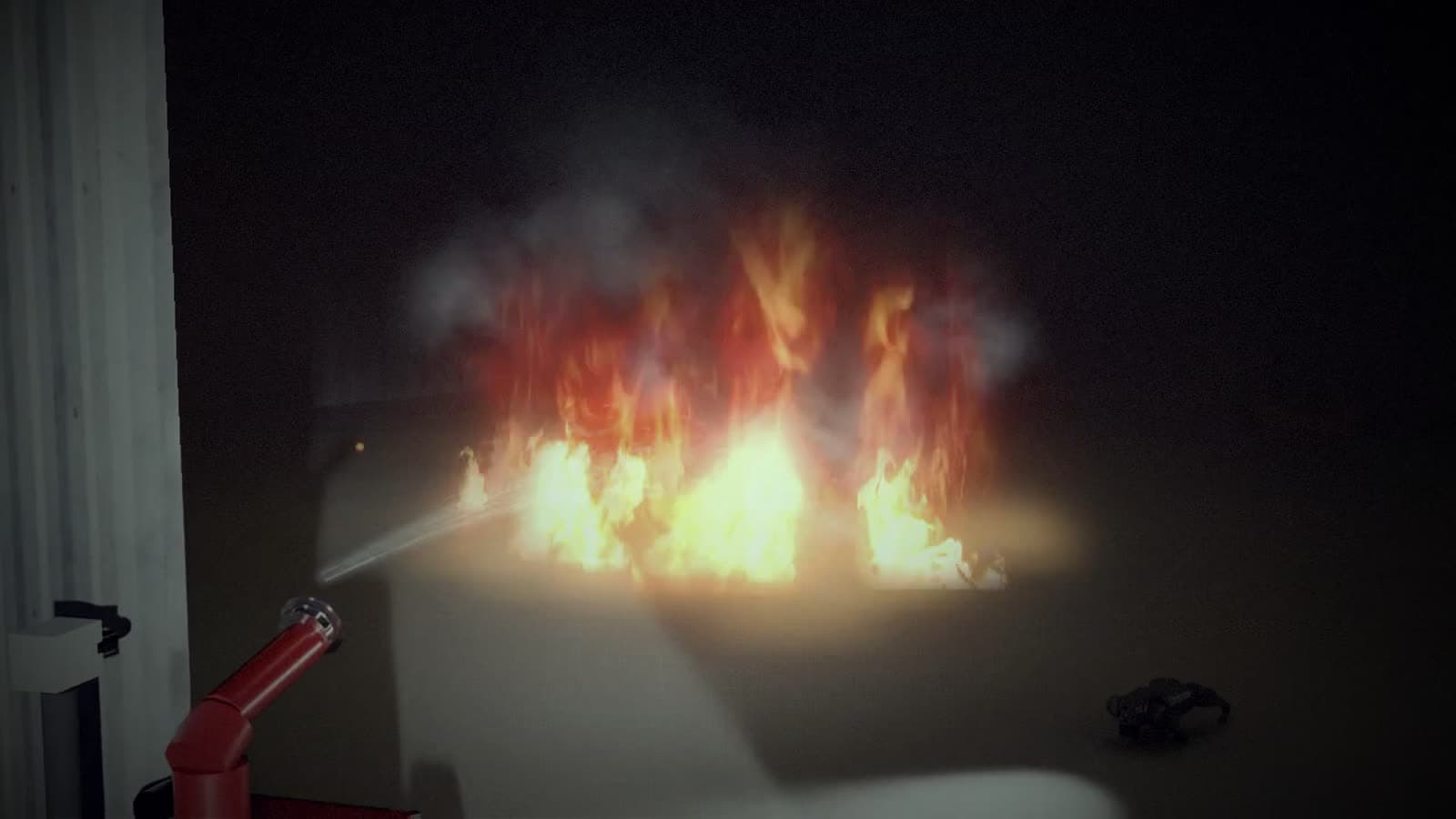
Autonomy that a commander can trust enough to stand behind.
Every proposal — doctrine, planner, or language instruction — passes through a fixed set of deterministic safety rules before it reaches a robot. No model and no randomness sits inside that gate.
- A human always holds the override.
- Every autonomous action surfaces to a commander as a readable decision, not a black box — and can be stopped at any point.
- The emergency stop is absolute.
- E-STOP is wired beneath the reasoning layer, not through it — it works even if everything above it is wrong.
- Every gate improvement is reviewed before it ships.
- Safety rules are added the same way they're trusted: each one exists because a real case demanded it, and each change is checked before it governs a live robot.
One mission brain, products built around it.
SentiaCore
The mission brain: perception, belief, team reasoning, rehearsal and the safety gate that every action must clear.
Sentia Studio
The operator console — see what the team sees, approve plans, hold the override, review every incident afterward.
Sentia Fire
SentiaCore configured for structure fire and rescue: suppression, search, and victim triage as one coordinated response.
Sentia Inspect & Sentia Chem
The same mission brain configured for industrial inspection and hazardous-materials response.
Watch SentiaCore rehearse and respond to a real scenario.
Operation Alpha is our walkthrough of the loop end to end — from a raw alarm to a robot team moving as one.